

MIOBI Total Home Services
Transform Your Space with Inspiring Ideas and Expert Tips
TIPS & TRICKS

When your home starts feeling more like a cozy closet than a spacious sanctuary, it's probably time to consider adding a little more room to stretch out. You know what they say—bigger is better, especially when it comes to your living space!...>>>

In a world where everyone’s trying to go green—from reusable shopping bags to solar panels—why should your bathroom be left behind? As the hub of daily routines and... >>>

When it comes to giving your home a much-needed facelift, there's nothing quite like a whole home renovation...>>>
RECENT ARTICLES
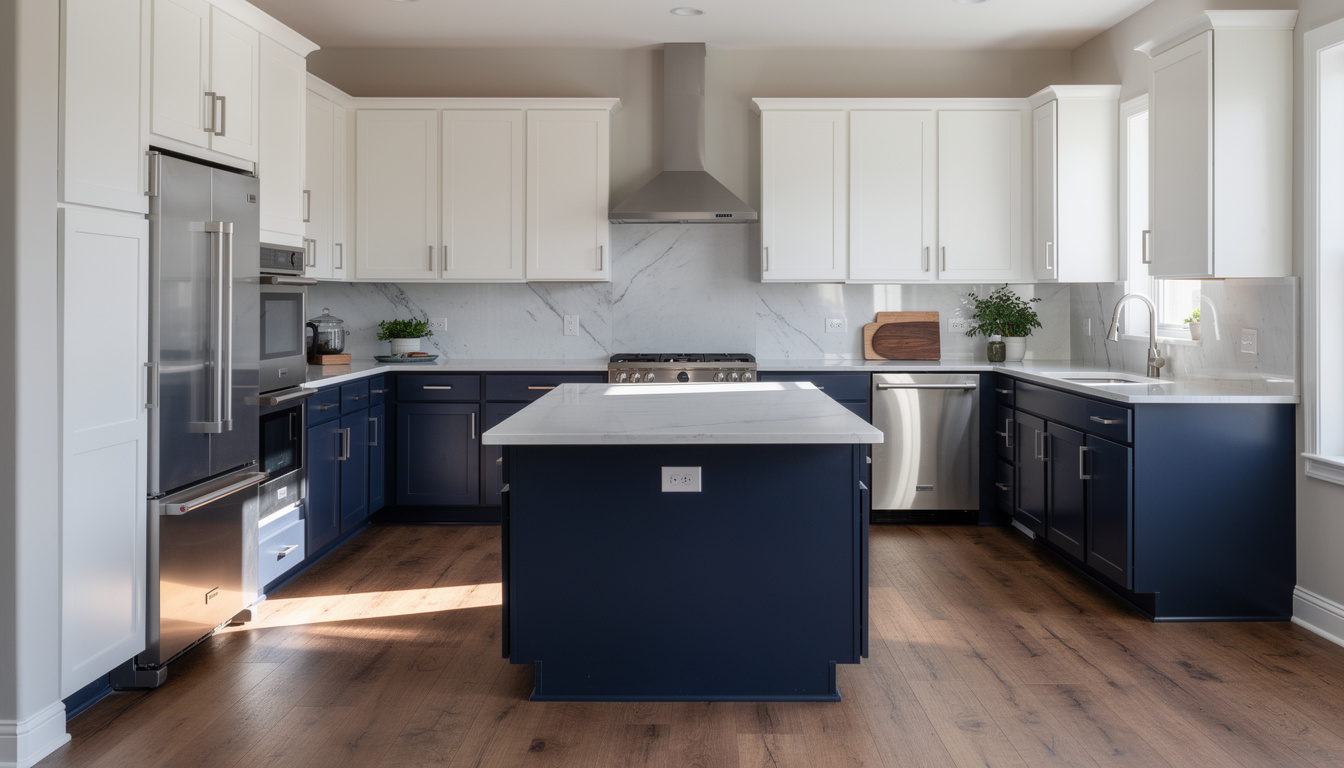
How to Choose the Perfect Paint Colors for Your Kitchen Cabinets
Choosing the right paint color for your kitchen cabinets can make a huge difference in your home’s look and feel. Cabinets take up a lot of visual space, so the color you choose will set the tone for the whole kitchen. If you’re planning a remodel or just want to freshen up your space, this guide will answer the key questions homeowners ask about picking cabinet colors.
What factors should I consider before choosing a cabinet color?
Before you pick up any paint samples, take a good look at your kitchen as a whole. Think about the existing features you won’t be changing, like countertops, floors, and backsplash. These will have a big impact on what colors work well. For example, if your countertops are dark stone, lighter cabinets can create balance. If you have wood floors, consider how the cabinet color will contrast or blend with the stain. Also, keep in mind the overall style of your home. A modern kitchen often looks great with bold or stark colors, while a traditional home in Oakland, NJ might suit softer, classic tones.
How does lighting affect cabinet paint colors?
Lighting—both natural and artificial—plays a huge role in how a color looks in your kitchen. A color that seems perfect in the store or on a paint chip can look completely different under your kitchen lights. North-facing kitchens get cooler light, which can make colors appear more muted or blue. South-facing kitchens get lots of bright, warm light, which can make colors appear lighter and even a bit yellow. Test your paint samples on the actual cabinets and look at them at different times of day before making a final decision. This step is especially important in homes with little natural light, where paint colors can easily look dull or too dark.
Should I go with trendy colors or stick to classics?
Trends can be tempting, but remember that painting cabinets is a big commitment. Classic colors like whites, creams, grays, and soft blues rarely go out of style and tend to keep kitchens feeling open and bright. If you love bold colors, consider using them on a kitchen island or just the lower cabinets. This way, you get a pop of personality without overwhelming the space. In Oakland and nearby towns, we see many homeowners choosing neutral cabinet colors for resale value, but adding a twist with hardware or a feature wall.
How do I match cabinet colors with other kitchen elements?
To get a cohesive look, coordinate your cabinet color with your kitchen’s other features. Start by looking at your countertops and backsplash—are they cool or warm-toned? For cool-toned counters, consider grays, whites, or navy. For warm-toned counters, creams, taupes, or sage greens work well. If your floors are dark, light cabinets can help the room feel bigger. With light floors, you can go darker or keep things bright. Don’t forget to factor in appliance finishes—stainless steel, black, or white can all interact differently with cabinet colors. Laying out samples side by side can help you see what combinations feel harmonious.
Is it better to use one color or mix two for my cabinets?
Using two colors, often called a two-tone scheme, is a popular way to add depth and interest. For example, you might have white upper cabinets and navy or green lowers. This works well in kitchens where you want to keep things light on top but add some richness below. Two-tone cabinets can also help define areas in an open floor plan. If you’re not sure, stick to one color for a clean, unified look. But don’t be afraid to experiment, especially if your kitchen has a natural dividing line like an island or pantry wall.
What paint finish works best on kitchen cabinets?
The finish you choose is just as important as the color itself. For cabinets, a semi-gloss or satin finish is usually best. These finishes are durable, easy to clean, and resistant to moisture—important for busy kitchens. Flat or matte finishes tend to show fingerprints and are harder to keep looking fresh. If you’re unsure, ask your painter or remodeling contractor for samples so you can see how each finish looks and feels on a cabinet door.
Frequently Asked Questions
Can I paint over stained or previously painted cabinets?
Yes, you can paint over stained or painted cabinets, but the prep work is key. Cabinets should be thoroughly cleaned, sanded, and primed to ensure the new paint bonds well and lasts. Skipping these steps can lead to chipping or peeling down the road.
Do I need special paint for kitchen cabinets?
Yes, it's best to use paint designed for high-traffic, high-moisture areas like kitchens. Cabinet paints are formulated to be durable, easy to clean, and resistant to stains and chips. Your contractor or local paint store can recommend a good option.
How long does cabinet painting take?
The time frame depends on the size of your kitchen and how much prep is needed. Most cabinet painting projects take several days to a week, including drying time between coats and reassembly. Planning ahead is important to minimize disruption.
What if I don't like the color after it's finished?
Testing samples in your actual kitchen helps prevent surprises. If you really dislike the color after painting, it’s possible to repaint, but it’s extra time and cost. That’s why careful planning and testing are worth the effort up front.
If you’re thinking about a kitchen cabinet makeover or a full remodel, getting the color right is a big part of the process. For practical advice and quality results in Oakland, NJ and the surrounding area, reach out to MIOBI Total Home Services. We’re here to help you make the best choices for your home.

Google Reviews



What Sets Us Apart
At MIOBI Total Home Services, integrity and quality are the foundations of everything we do. We are committed to transforming homes with the utmost attention to detail and dedication to excellence.
We are passionate about putting your satisfaction first. Your dream home is our top priority, and we are dedicated to making that vision a stunning reality. You deserve nothing but the best, and we're here to exceed your expectations every step of the way!
Our team of certified experts brings years of experience to every project. With professional certifications and a commitment to continuous improvement, we ensure your remodeling project is completed to the highest standards.
We use only premium products sourced from top-tier manufacturers.Combined with our expertise, these products guarantee that your remodeling project will stand the test of time.
🔒 We value your privacy. Your data is encrypted and we will never share it with third parties.
GET STARTED NOW (973) 636-6737

GET A QUOTE
OPENING HOURS
Monday to Friday: 8:00 am to 4:00 pm | Saturday: By Appointment | Sunday: Closed
© Copyright 2026 MIOBI Total Home Services. All Rights Reserved. - Privacy Policy - Terms & Conditions - DMCA
Website built by ClientSwing